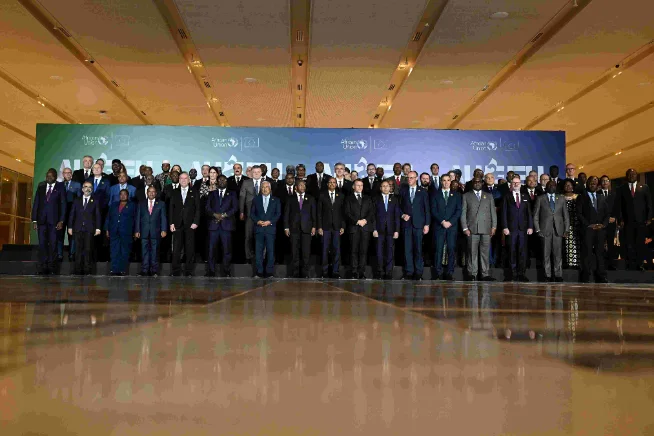
Sharing the continent one more time.
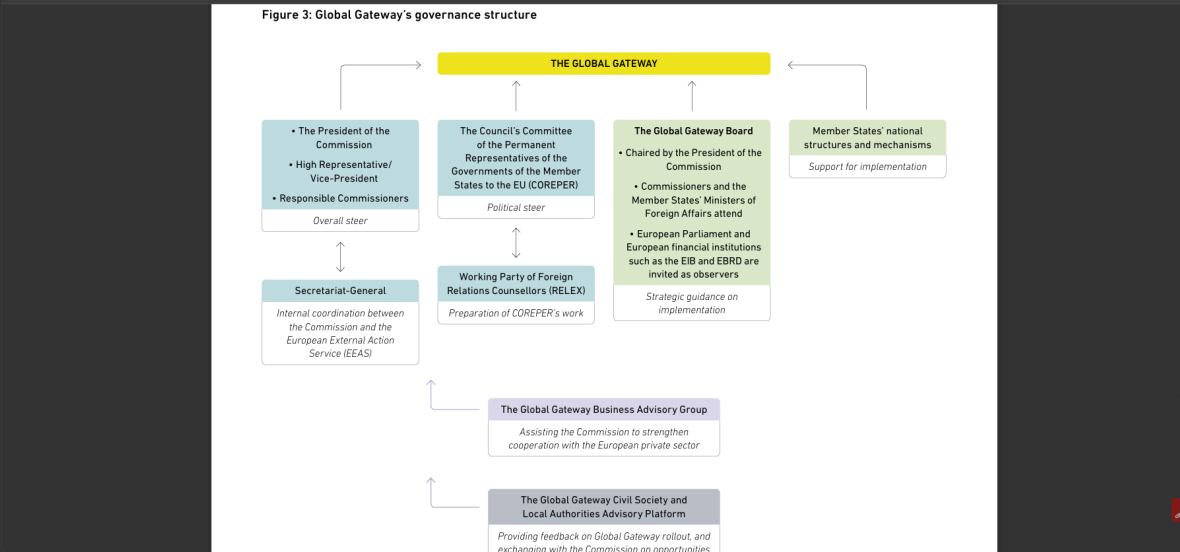
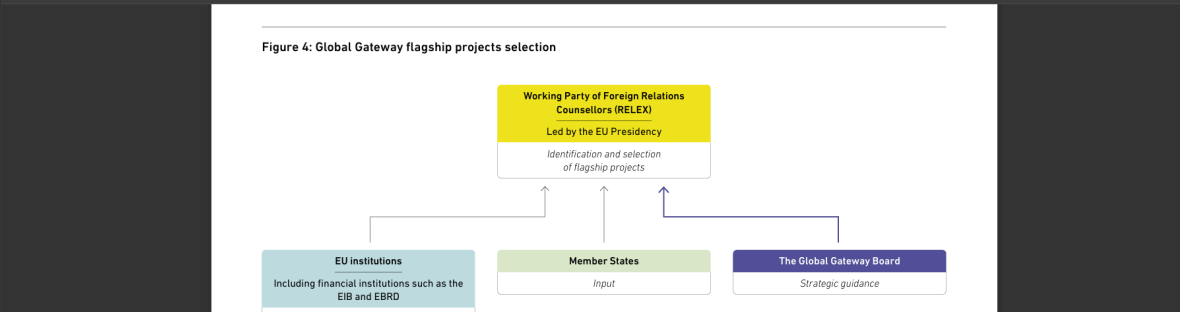
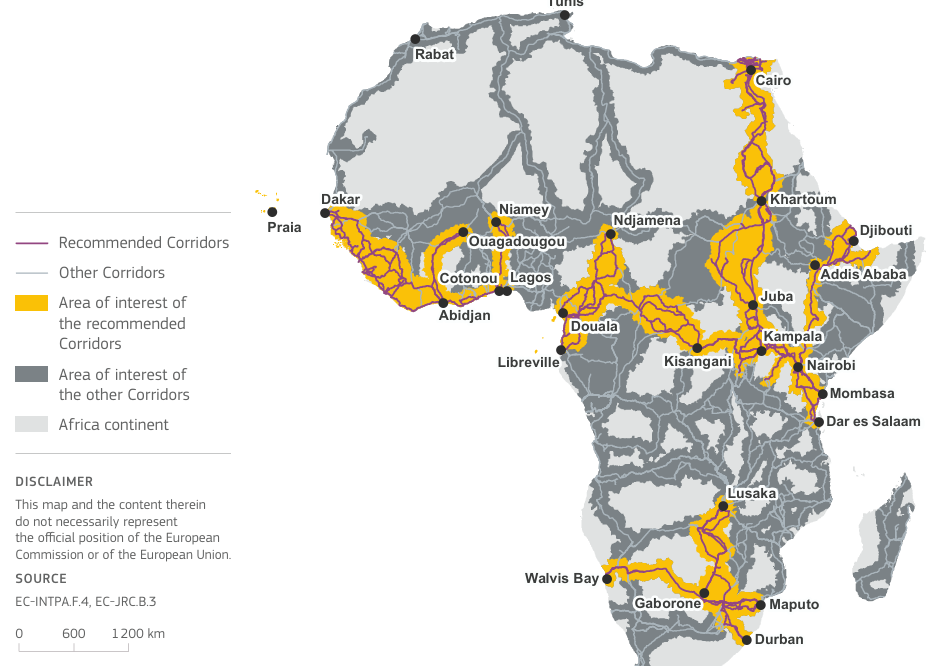
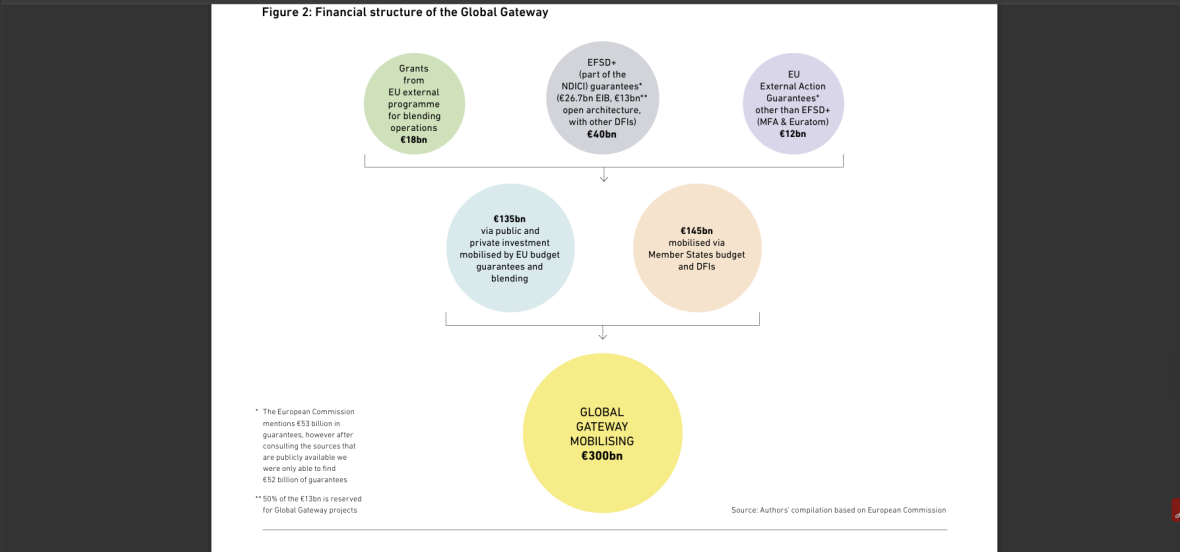
Team Europe has drawn strategic corridors across Africa. Marketed as the West's answer to Belt and Road, the Global Gateway leaves African states carrying an estimated $724 billion in debt, while contracts and refining capacity stay outside the continent.

Estimated African debt exposure created across the Global Gateway corridors.
Corridors shortlisted by the EU's CUSA mapping, from 55 candidates, using 140 indicators.
Global Gateway projects reviewed across Africa — and the number approved by a national parliament or opened to public participation.
The doubt is on the record — in Brussels, in Strasbourg, and at the State of the Union.
“Global Gateway does not bring new financial means — there is no additional money when it comes to the EU level.”
“There's no new money in the Global Gateway. And I've always held the view that if there's no new money, there's no new policy. This is a communications exercise. It's a strategy to put together what was already going to happen and present it as something new. And if our partners are tricked by this, then more fool them.”
“It was never clear what was additional about Global Gateway. It draws heavily on existing programmes and initiatives that would have moved forward even if Global Gateway did not exist. It was sold as a viable alternative to China's Belt and Road Initiative — an alternative driven by values, like transparency and sustainability. It has not gone beyond just words.”
“European Union is good at financing roads, but it does not make sense for Europe to build a perfect road between a Chinese-owned copper mine and a Chinese-owned harbour.”
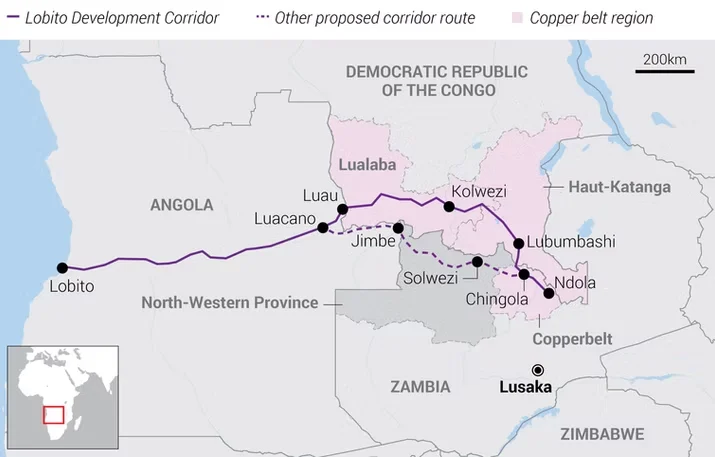
The Lobito Corridor
A 1,300 km railway from the Angolan Atlantic port of Lobito to the Copperbelt of the DRC and Zambia. In stark contrast to the “camouflage” projects, it draws coordinated, high-level EU and US support — because it secures the one thing the report says the Gateway is really about: the flow of critical raw materials to Europe and America.
Read the case studies →